Tubeless tyre pressure: how much is right?
Tubeless tyres let you run lower pressure than tyres with tubes — smoother and grippier, without the risk of pinch flats. But how much should you pump? Here is how to choose your pressure, with a table of starting points.
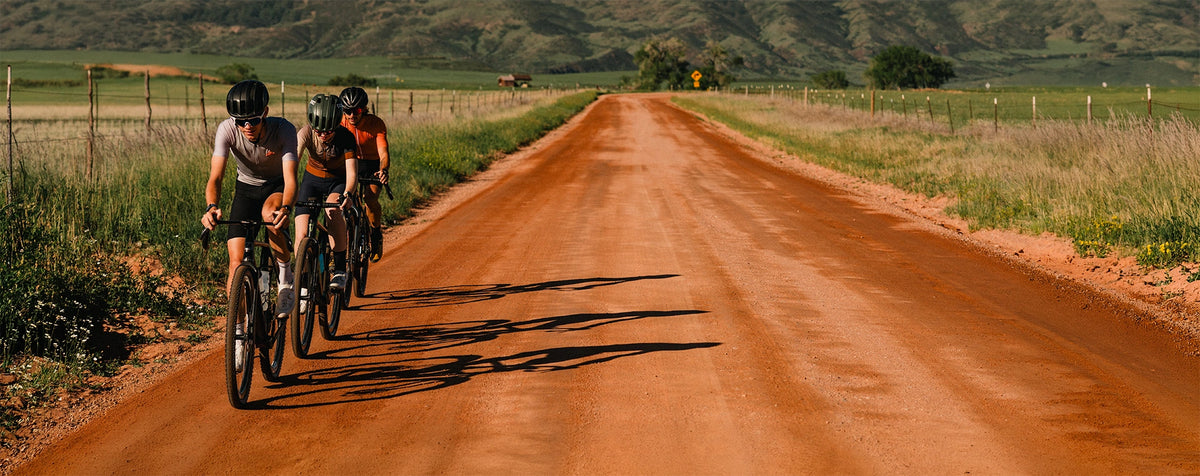
Why can tubeless tyres run lower pressure?
Tyres with tubes are prone to “pinch flats” when under-inflated: the tube gets squeezed between the rim and an obstacle and punctures. Tubeless tyres have no tube, so this can't happen, and the sealant inside seals small punctures while you ride. That lets you lower the pressure so the tyre hugs the road better, rolls more smoothly on rough surfaces and grips more in corners.
What determines your pressure
- Total weight of rider and bike: the heavier, the higher the pressure you need.
- Tyre width: the wider the tyre, the lower the pressure.
- Internal rim width: wider rims make the tyre “balloon” more, usually allowing slightly lower pressure.
- Road surface and weather: on rough roads, dirt or in the rain, drop the pressure slightly for more grip.
- Front and rear: the rear wheel carries more load, so it usually runs slightly higher pressure than the front.
Starting-point reference table
For a combined rider and bike weight of about 75–85 kg. Add 5–10% for every 10 kg more; reduce accordingly if lighter.
| Tyre type | Tyre width | Pressure (bar) | Pressure (psi) |
|---|---|---|---|
| Road | 28mm | 4,5 – 5,5 | 65 – 80 |
| Road / All-road | 32mm | 3,8 – 4,8 | 55 – 70 |
| Gravel | 38–40mm | 2,2 – 3,0 | 32 – 44 |
| Gravel | 45mm and wider | 1,8 – 2,6 | 26 – 38 |
| MTB Cross Country | 2.2–2.4" | 1,4 – 1,8 | 20 – 26 |
| MTB Trail / Enduro | 2.4–2.6" | 1,3 – 1,7 | 19 – 25 |
These are only starting points. Ride, then adjust in steps of about 0.1–0.2 bar until it feels right.
Limits you must not exceed
- Always stay within the minimum – maximum pressure printed on the tyre sidewall.
- With hookless rims, the standard maximum pressure is 5 bar (72.5 psi), even if the tyre says higher. Also check your rim manufacturer's limits.
- Running too low on MTB/gravel can make the tyre bottom out on rocks and may dent the rim. Inserts such as Vittoria Air-Liner protect the rim and let you run low pressure more safely.
Signs your pressure is wrong
- Too hard: the bike bounces, your hands buzz and you lose grip in corners or on rough roads.
- Too soft: the tyre squirms and folds in corners, feels sluggish and heavy, and you hear the rim hitting rocks.
Caring for tubeless tyres
- Check your pressure before every ride with an accurate gauge — tubeless tyres slowly lose air over time.
- Top up or replace the sealant about every 3–6 months, sooner in hot weather or if you ride a lot.
- Use proper tubeless rim tape and valves to prevent air leaks.
Need advice on tyres, sealant or converting your bike to tubeless? The Spinlab technical team is always ready to help.
 Chat Zalo


